Optimal Timing for Rodent Removal

Rodent activity tends to increase during the fall as they seek shelter and food for winter.

Rodent removals are often more urgent in winter due to increased indoor activity and nesting.
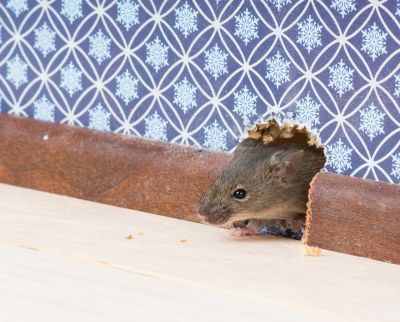
Spring can see a resurgence of rodents as they emerge from hibernation and seek new nesting sites.

Ways to make Rodent Removals work in tight or awkward layouts.

Popular materials for Rodent Removals and why they hold up over time.
Simple add-ons that improve Rodent Removals without blowing the budget.

High-end options that actually feel worth it for Rodent Removals.

Finishes and colors that play nicely with Rodent Removals.
Rodent removals are most effective when conducted during periods of high activity, typically in the fall and winter. During these seasons, rodents are actively seeking shelter and food, increasing the likelihood of detection and successful removal. Timing is crucial to prevent infestations from establishing deep within structures, which can lead to more extensive damage and health risks.
Statistics indicate that rodent-related property damage can cost thousands of dollars annually, with rodents capable of gnawing through electrical wiring, insulation, and structural components. Early intervention during peak activity periods minimizes damage and reduces the risk of disease transmission, as rodents are known carriers of pathogens that can affect humans and pets.
Rodent behavior varies seasonally, affecting the timing of effective removal strategies.
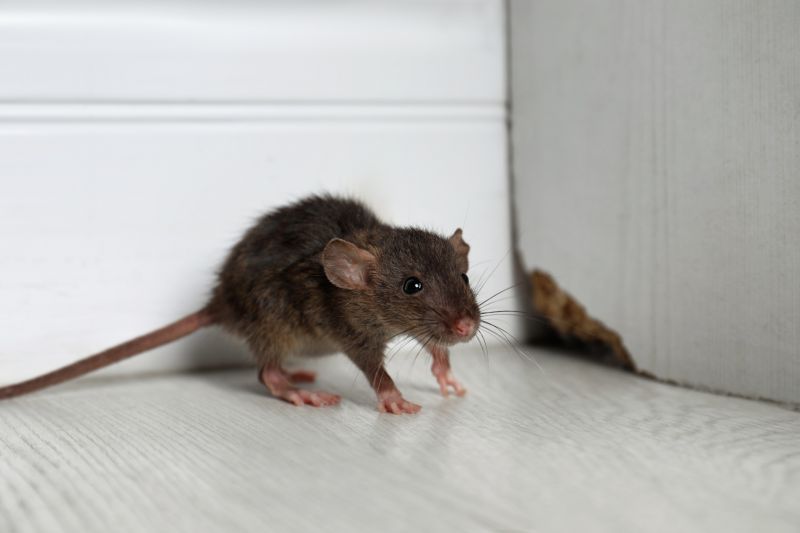
Droppings, gnaw marks, and nesting materials are common indicators of rodent presence.
Sealing entry points and removing food sources are essential for effective rodent control.
Rodents can transmit diseases such as hantavirus and salmonella through droppings and bites.
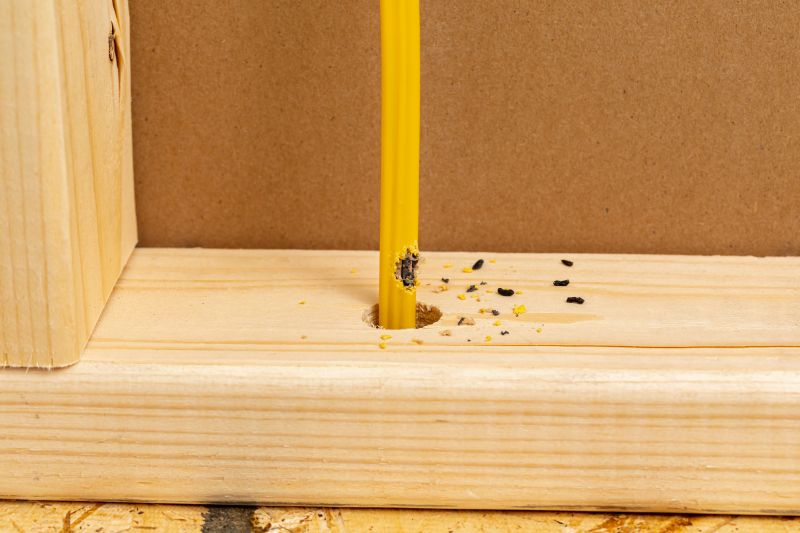
Gnawed wiring and insulation can lead to costly repairs.

Rodents often nest in hidden areas like attics and wall voids.

Droppings and urine stains are common indicators.

Small holes around pipes and vents can serve as entry points.
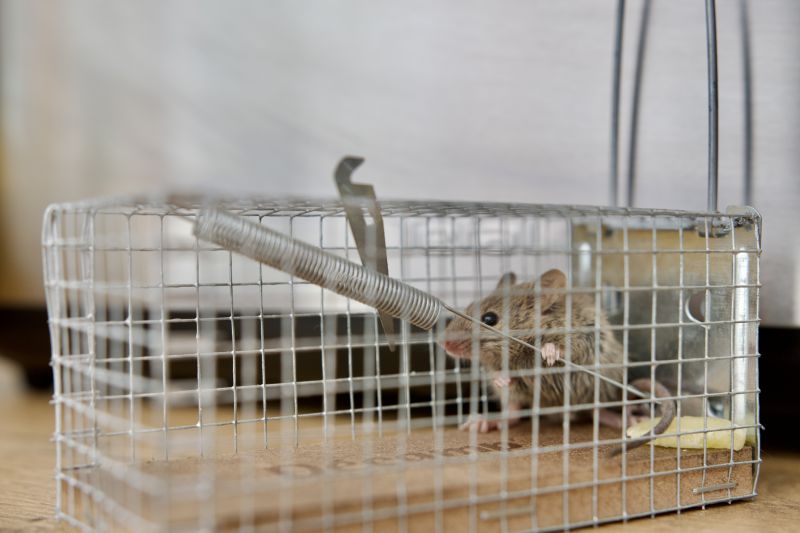
Effective traps help reduce rodent populations quickly.

Proper sanitation reduces attractants for rodents.
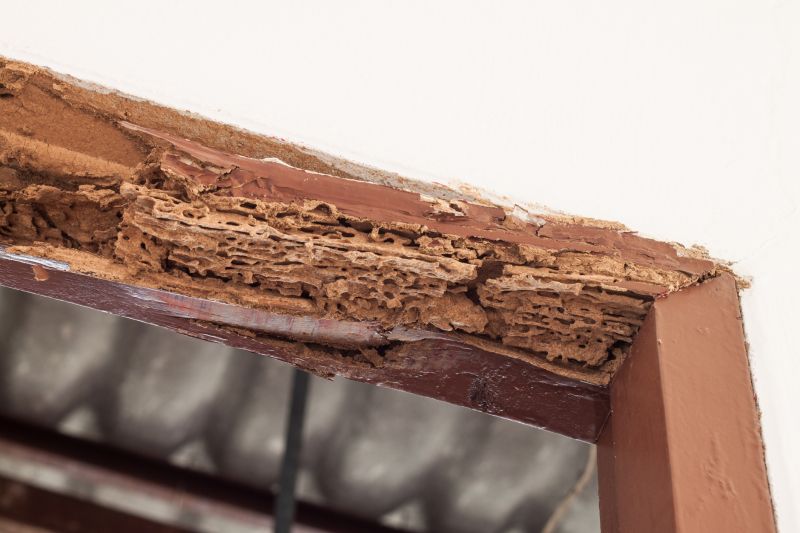
Sealing entry points prevents future infestations.

Expert removal ensures comprehensive and safe elimination.
| Season | Rodent Activity Level |
|---|---|
| Fall | High |
| Winter | Very High |
| Spring | Moderate |
| Summer | Low |
| Late Fall | Peak |
Understanding seasonal patterns helps in planning effective rodent removal strategies. Conducting removals during peak activity seasons ensures that infestations are addressed promptly, reducing the risk of extensive property damage and health issues. Regular inspections and preventive measures are recommended throughout the year to maintain a rodent-free environment.

Sealing cracks and holes prevents rodents from gaining access.
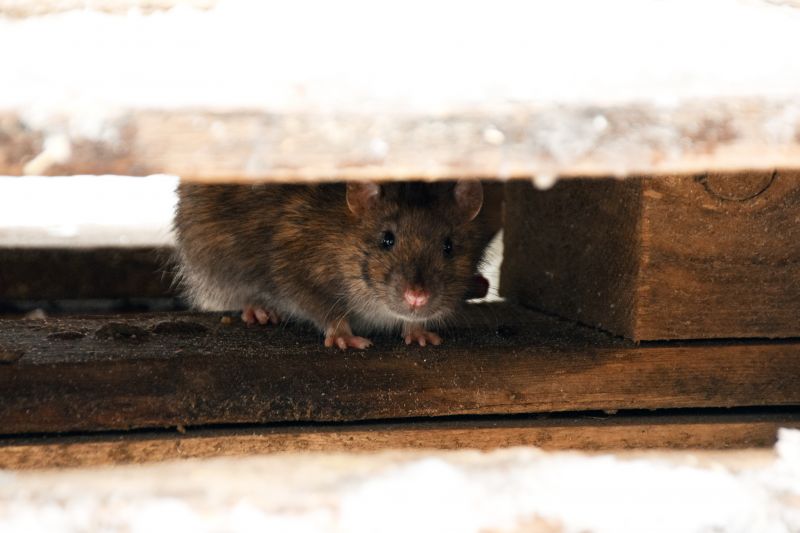
Proper placement of bait stations reduces rodent populations.
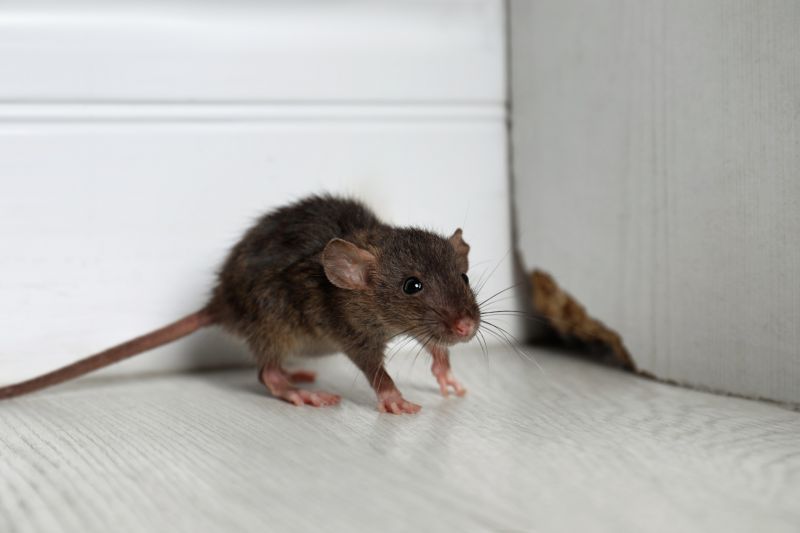
Using specialized tools helps identify hidden entry points.

Regular checks ensure long-term rodent control success.

Little measurements that prevent headaches on Rodent Removals day.

A 60-second routine that keeps Rodent Removals looking new.

A frequent mistake in Rodent Removals and how to dodge it.
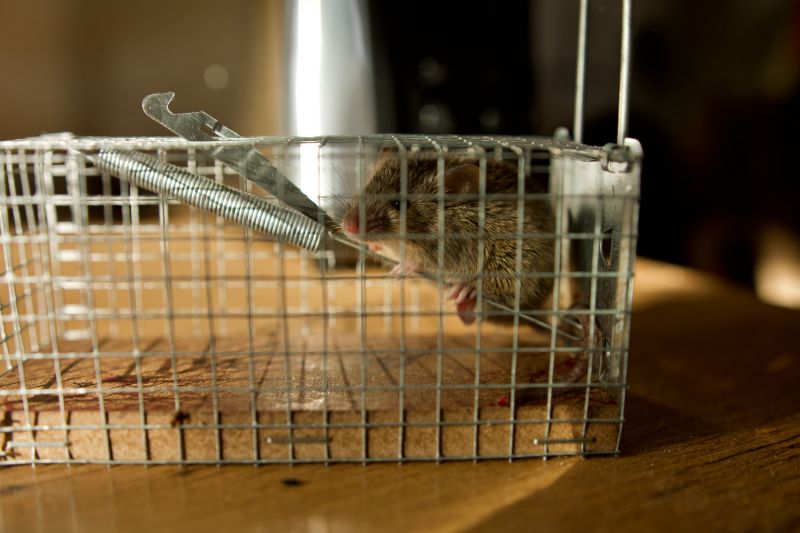
Small tweaks to make Rodent Removals safer and easier to use.
Timely rodent removal is essential for protecting property integrity and health. Engaging professional services during peak seasons maximizes effectiveness, helping to prevent infestations from becoming severe. Consistent maintenance and preventive measures contribute to a rodent-free environment year-round.
If interested in rodent removal services, filling out the contact form provides a way to schedule inspections and discuss tailored solutions. Early action can save property owners from costly repairs and health risks associated with rodent infestations.